Residential Developer
"The masterplan seamlessly binds old and new, modern and classic into a people-friendly year-round destination,” Mr Cannon said.
Category:
Masterplanned Alpine Resort
Author:
Residential
Read:
10 mins
Location:
Melbourne
Date:
Oct 7, 2007
Site Development + History
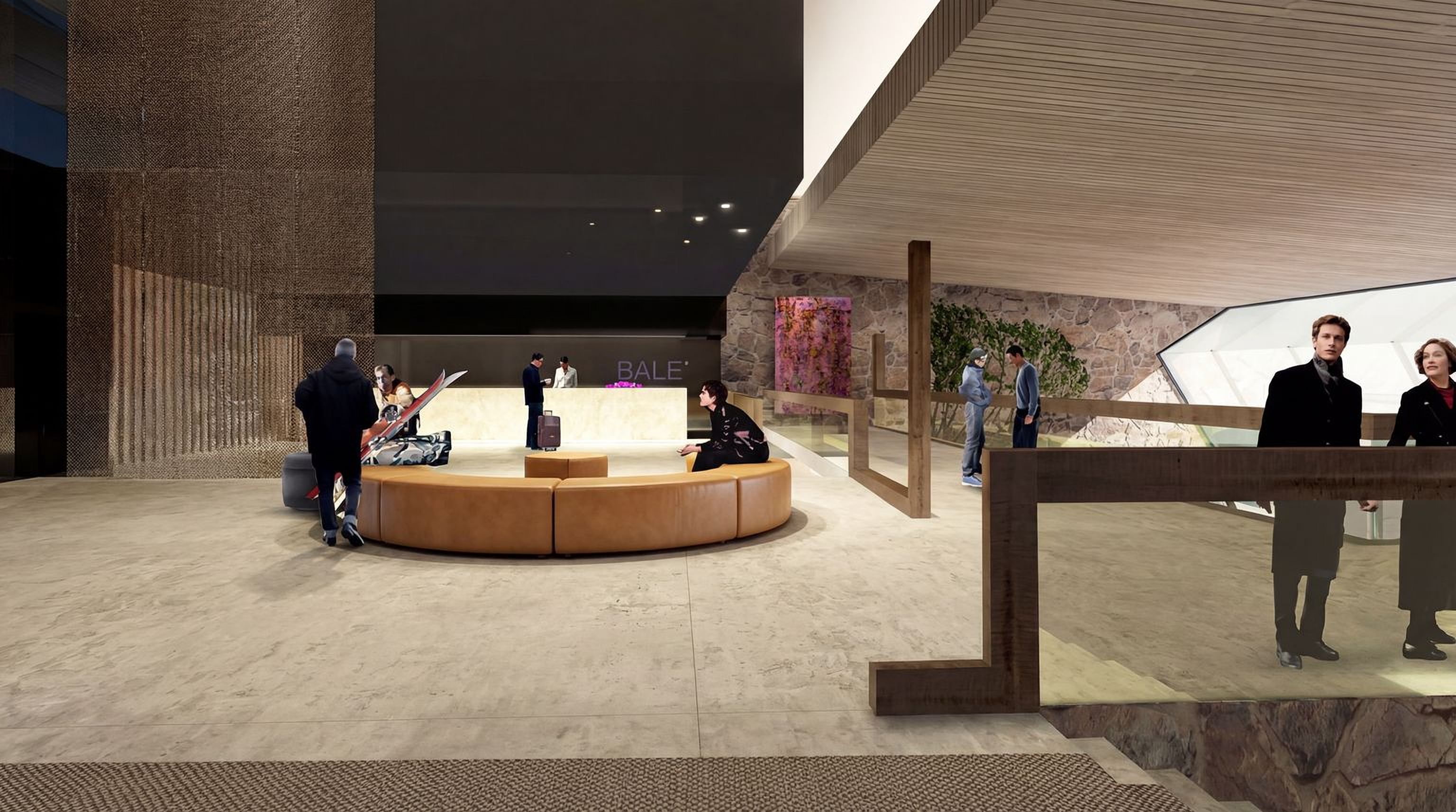
Mount Hotham is the highest alpine resort in Victoria with a summit elevation of 1861 metres and coverage of approximately 3450 hectares. Nestled in the surrounds of the Alpine National Park, four hours north-east of the Melbourne CBD, Hotham is steeped in history dating back to the 1850s. The area was originally renowned for early grazing, mining and service activities, which played an important role in the growth of recreation and tourism. The early 1920s saw the construction of the first tourist lodge – a cottage named “Hotham Heights”, which was followed in 1933 by the Hotham Resort as demand for quality alpine accommodation grew. Hotham cemented its status as an industry-leading ski destination via the establishment of club lodges, emergency radio communications and ski tows over the following decades. The nearby Dinner Plain (DP) Village was once cattlemen’s country, and home to Victoria’s oldest surviving cottage – “Horse Hair Hut”. The hut was burnt down in bushfires in the summer of 2003 and rebuilt later that year, and is now an inspiration for cutting-edge architectural design in DP Village. In June 2005 MFS Living and Leisure acquired its holdings at Mount Hotham and nearby Falls Creek through the purchase of Australian Alpine Enterprises and subsequently entered into an agreement with leading leisure property developer Ray Group to develop New Hotham. On completion New Hotham will encompass over 400 residential apartments, together with more than 3000 sq m of retail shops and 1000 sq m of commercial space on the mountain.
Planning
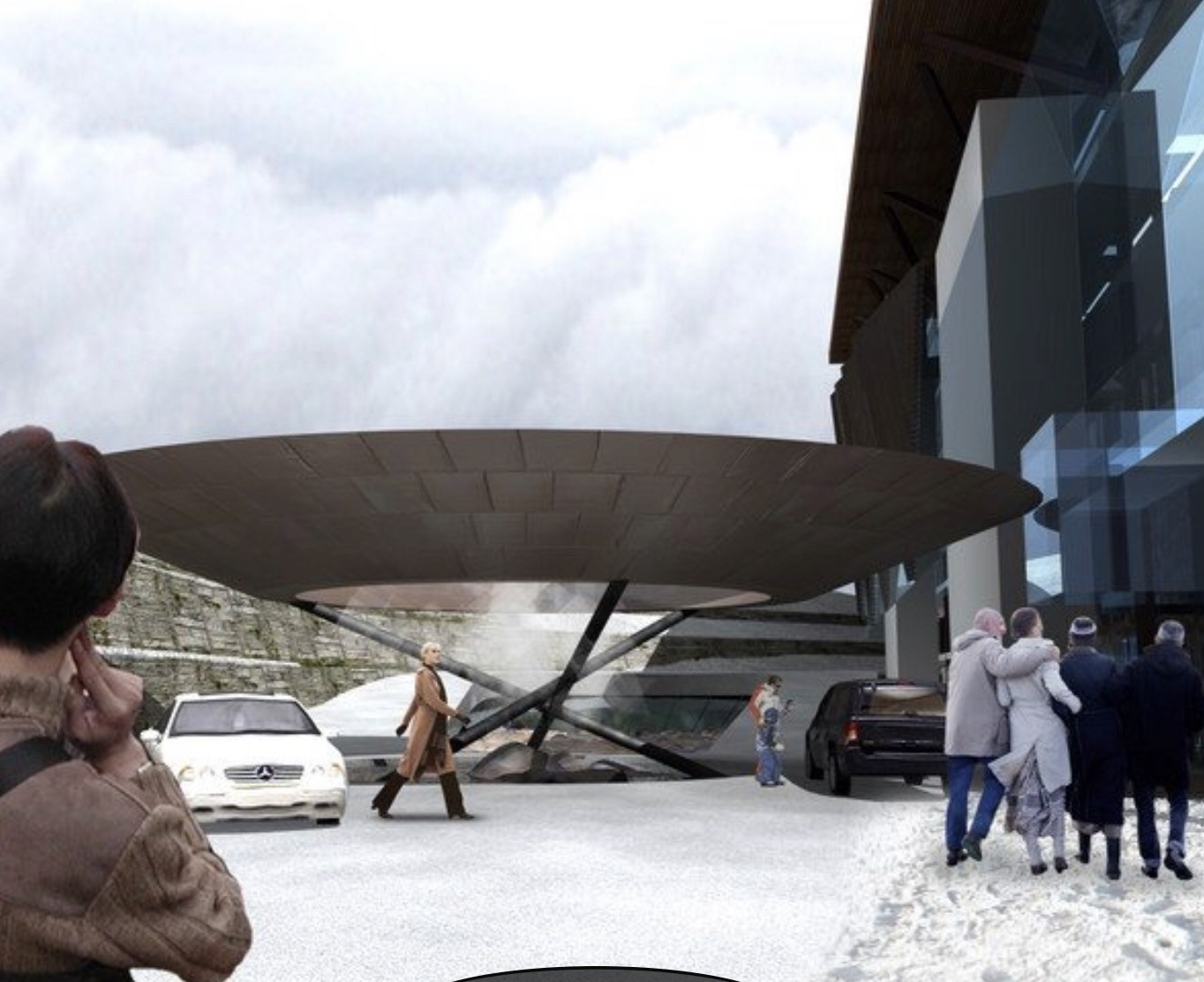
Plans for New Hotham were negotiated between the Victorian Government, peak environmental groups, the local and wider community and Hotham developers – MFS Limited and Ray Group – since expressions of interest for tenders to the project were called in November 2005. The final go-ahead followed the signing of a Memorandum of Understanding (MOU) between the State Government, the Mount Hotham Alpine Resort Management Board, MFS Limited and MFS Living and Leisure Limited at the end of 2006. Ray Group director Tony Cannon said the panel’s decision to give the green light for the project was a result of strong interaction with community and all levels of government. “We have worked closely with all levels of government, peak environmental groups and the community in order to finalise a masterplan based on world’s best practice, which will become a benchmark for similar sites around Australia,” he said. “Extensive economic, environmental, engineering and architectural investigation took place when deciding to amend the planning scheme, a decision that was not taken lightly by any of the individual parties.” A key component of the New Hotham masterplan was the implementation of a stringent staging strategy to ensure development occurs in line with seasonal and market constraints. Part of this strategy was the relocation of existing infrastructure to cater for new developments, while still maintaining the character of the development. “The masterplan seamlessly binds old and new, modern and classic into a people-friendly year-round destination,” Mr Cannon said. “Existing development, buildings such as Hotham Central and Zirky’s, will form the eastern side of the new village ‘main street’ and new developments will be inserted on to the land made available by the relocation of the Great Alpine Road.” “A continuous street-level arcade will also be incorporated offering weather-protected pedestrian access along the main street’s western edge, in turn providing pedestrian protection from strong winds and allowing the village main street to become a groomed oversnow corridor. “New main street buildings will be designed with ground-floor retail, entertainment and commercial facilities opening off the pedestrian arcade, and up to three levels of accommodation above.”

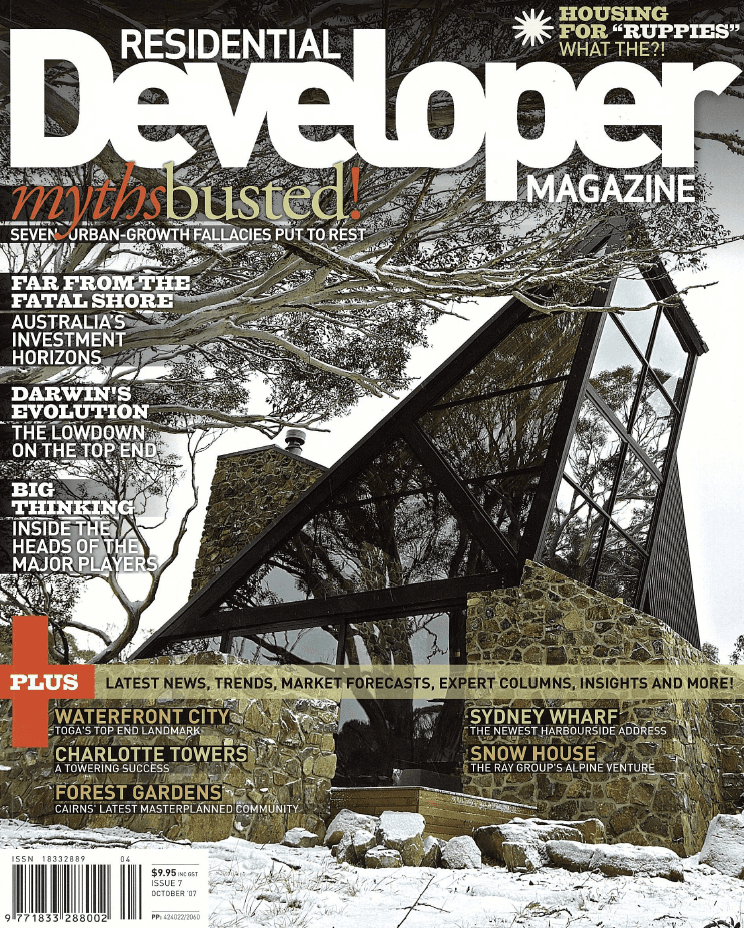
Design Considerations
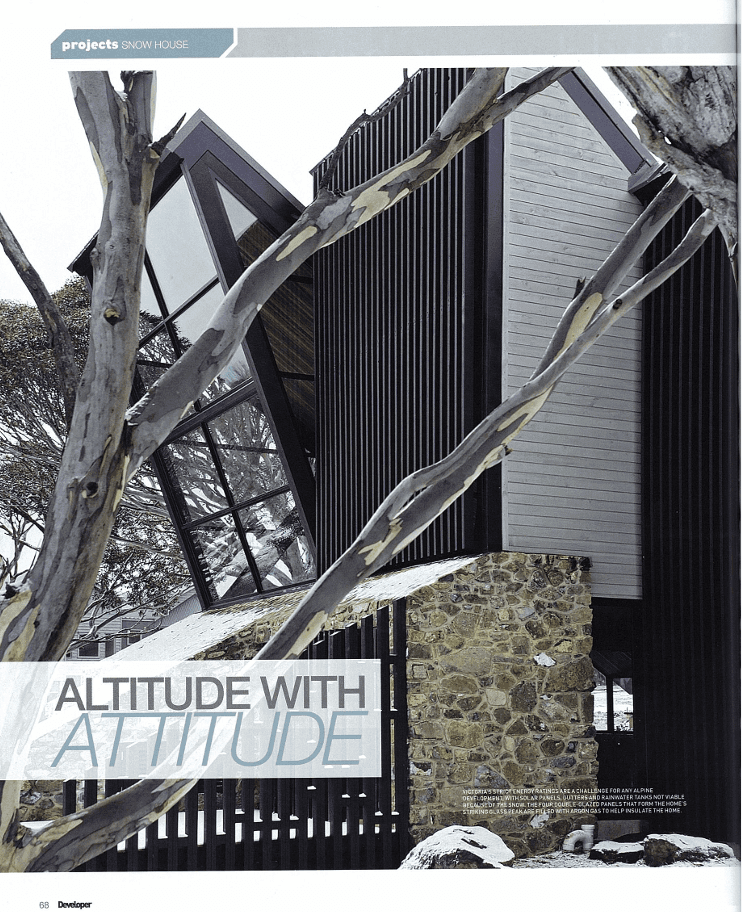
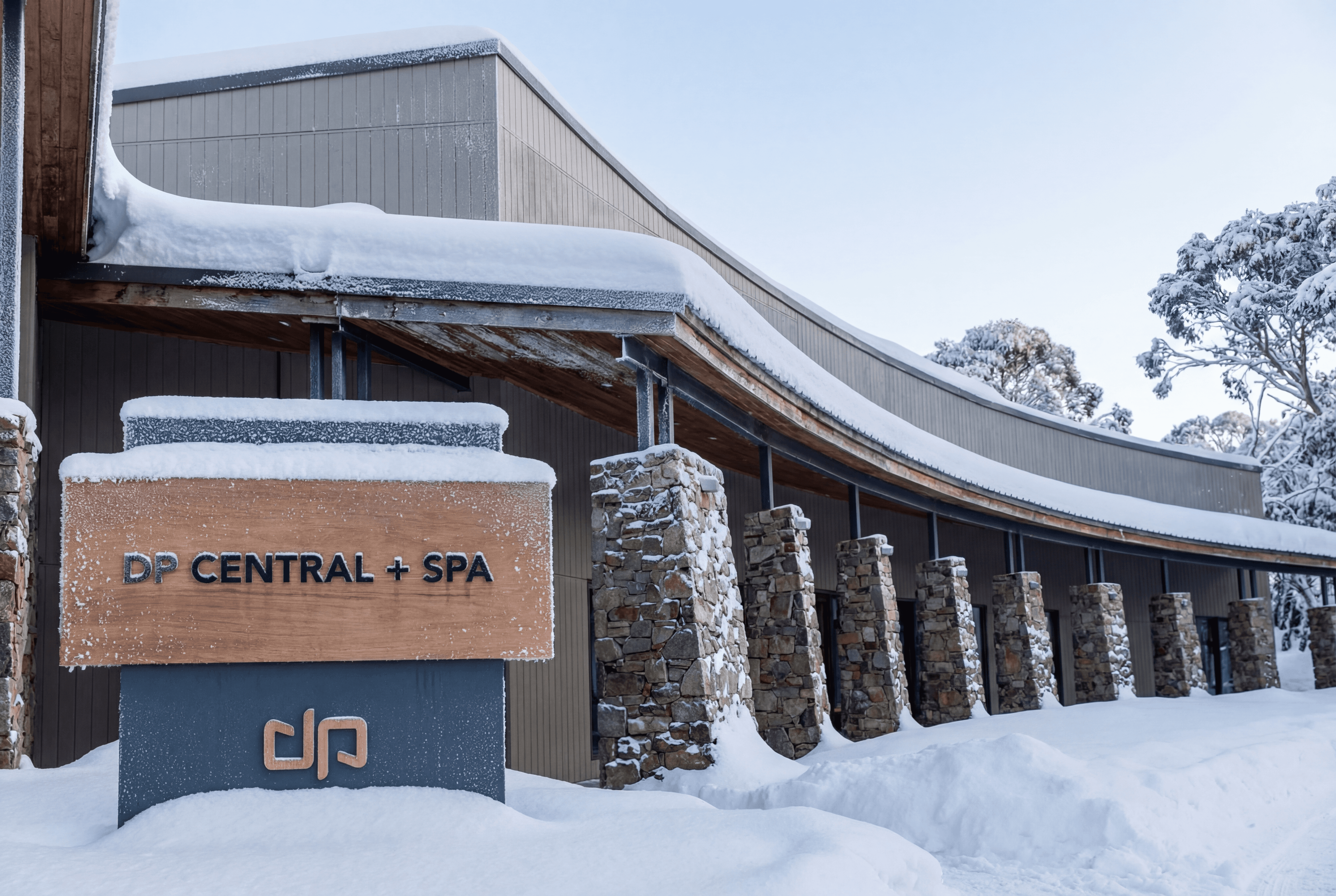
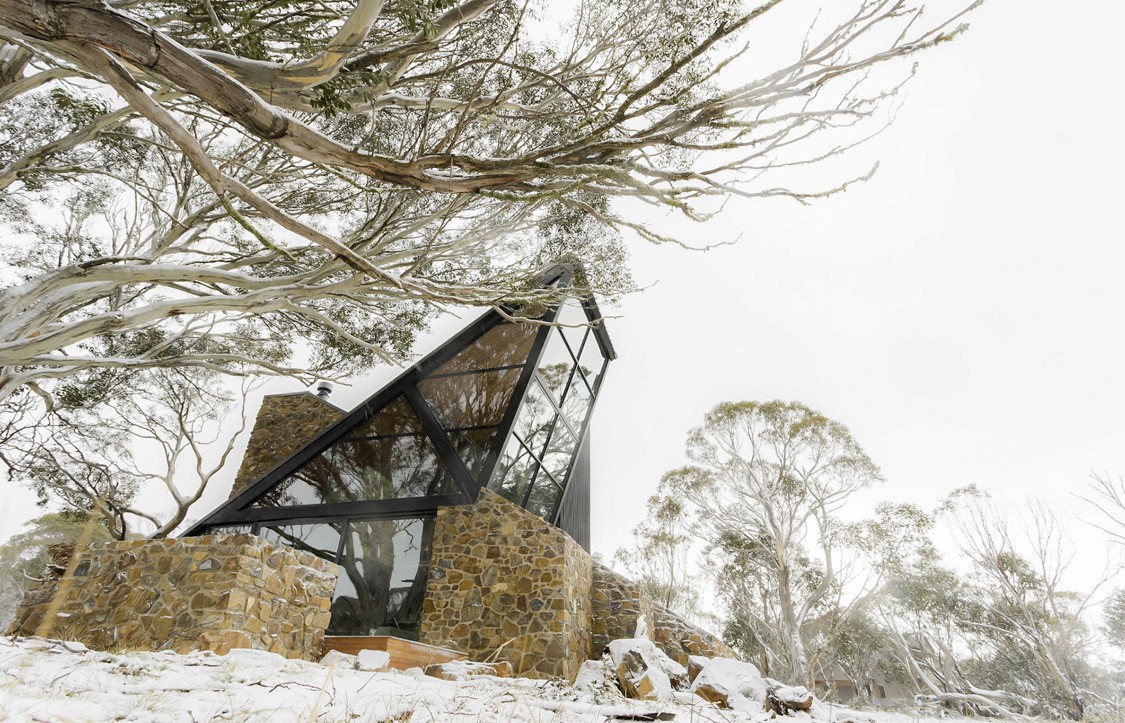
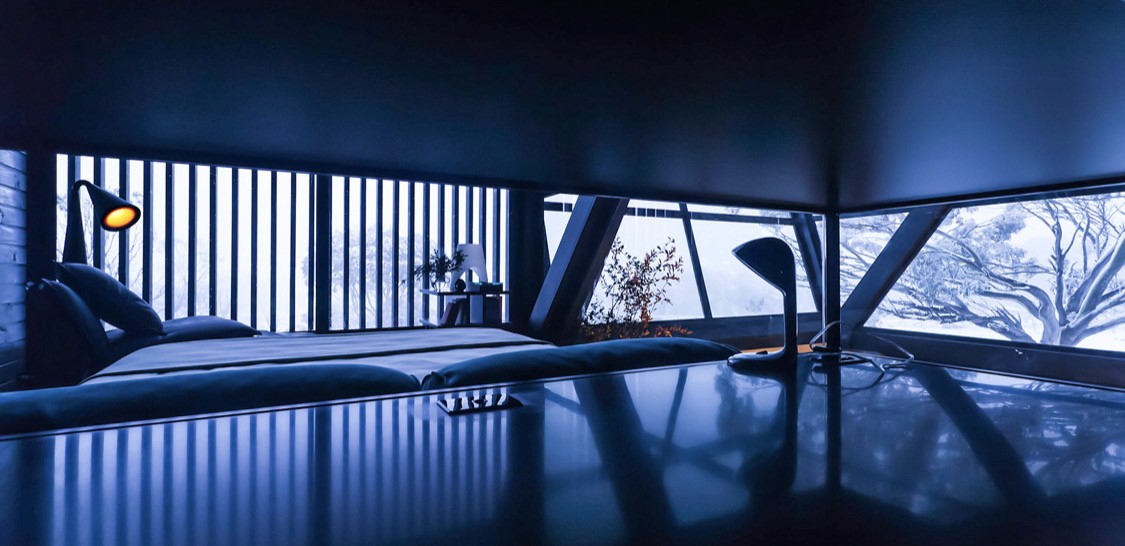
The first stage of New Hotham, currently under way, comprises the creation of DP Central, a $6 million commercial centre boasting the multi-award-winning Japanese-inspired indoor-outdoor spa, Onsen, 300 sq m of boutique retail outlets and a resort reception for DP Village. New Hotham is unique in that it is the only alpine village in Australia that is situated on top of the mountain and is affectionately known as the nation’s “powder capital”. It also boasts the nation’s only alpine airport, making it more accessible than any other ski field from every Australian capital city. The New Hotham masterplan was designed by Australian-based master planner Brian Toyota, in collaboration with internationally renowned Grounds Kent Architects and Rome-based architect Giovanni D’Ambrosio. One of the most dramatic and cutting-edge show homes ever built in Australia and designed by Mr D’Ambrosio recently sold at DP Village for a regional record of $2.05 million. Titled “Under the Moonlight”, the home is perched on the edge of an alpine reserve and makes a statement while harmonising with the landscape and surrounding architecture. “The home is integrated into the site through the use of natural materials, such as local stone, timber and metal, which are part of the region’s past and present,” Mr D’Ambrosio said. “It is a modern adaptation of the architecture of the historic Horse Hair Hut, believed to have been one of the longest standing of its kind in the area. “I wanted to draw the pristine outside environment into the interior of the home through the use of the glass panels, and at the ground level it is possible to see the landscape from the frame that opens on to the deck. “The home has been designed for year-round use and comprises two bedrooms, including a master bedroom with an expansive ensuite and spa. It also features a double garage.” Ray Group director of development Tony Cannon said Under the Moonlight set a new benchmark for alpine design in Australia. “Mr D’Ambrosio exceeded even our expectations and I congratulate him on being at the forefront of alpine design in the country,” he said. “It was important for us to engage an architect that understood the design philosophy and functionality we envisaged for Mount Hotham and Mr D’Ambrosio has certainly done that.” Mr Cannon said to bring Mr D’Ambrosio’s vision for the home to life, several construction and design issues had to be overcome — and in a short space of time. “We had to complete the home between the end of last snow season and the beginning of this one, which was a challenge within itself,” he said. “The 20-tonne cantilevered fireplace and chimney is one of the standout features of the home, but it was no easy feat to construct. “We actually had to reinforce the foundations of the home to cope with its weight. “The home’s steel frame was made and manufactured in Melbourne, because we did not want to risk any design or manufacturing glitches, with the development in such a remote location. “Also, Victoria’s strict energy ratings represent a challenge for any alpine development, with solar panels, gutters and rainwater tanks not viable because of the snow. “Instead we double glazed the panels that form the home’s striking glass peak and filled them with argon gas to help insulate the home. The roof is also made out of insulated metal. “We also ensured the home was designed with care to prevent damage to local vegetation.”